


Solar Growth Cuts Europe Gas Costs by Billions
European gas prices have remained raised since the conflict disrupted shipments through the Strait of Hormuz, which carries approximately one-fifth of global LNG traffic. The Dutch TTF benchmark climbed from €31.96 per megawatt-hour on February 27 to €72.35 per megawatt-hour by September 30, marking a 126.5% increase over the period.
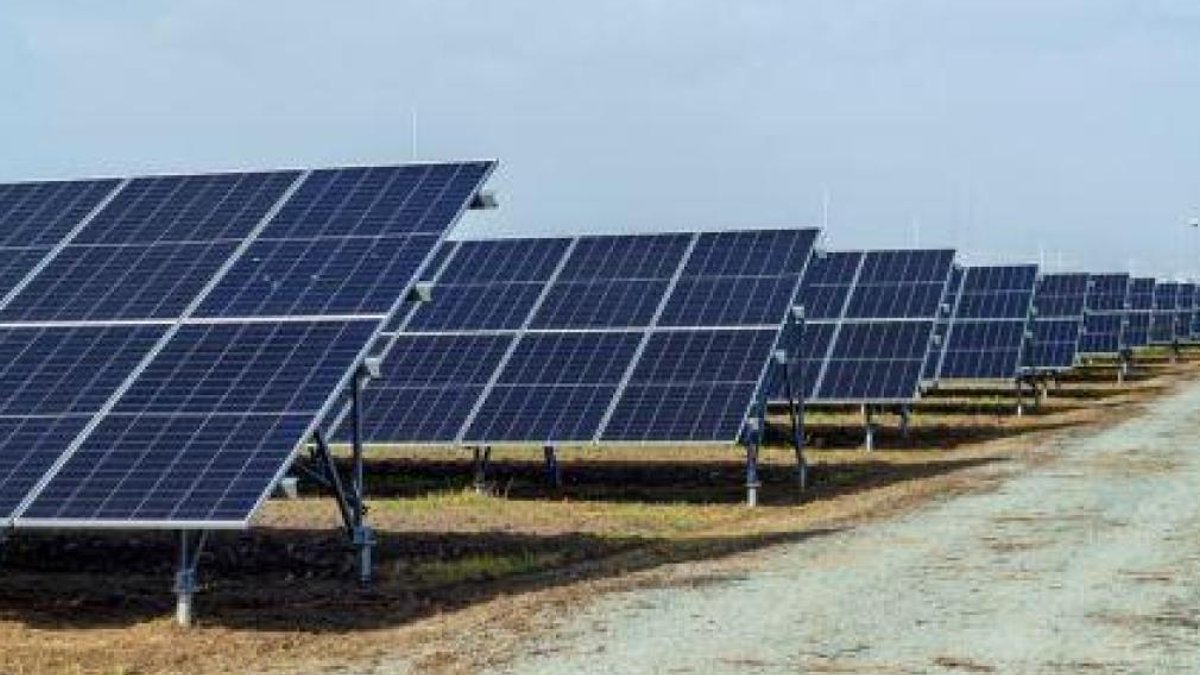
Research from SolarPower Europe calculates that expanded solar energy generation reduced Europe’s gas-related expenses by €37.4 billion by lowering demand for imports. Walburga Hemetsberger, CEO of the trade group, stated that each megawatt-hour produced from solar power diminishes dependence on fossil fuel imports. She emphasized that electrification, renewable energy, and battery storage are essential for achieving lasting energy independence.
By June, solar photovoltaics had become the European Union’s leading electricity source, supplying 25% of its needs. The shift reflects broader efforts to phase out fossil fuels in favor of cleaner alternatives.
Spain has since 2019 more than doubled its wind and solar generation capacity, adding over 40 gigawatts to its grid. According to Ember, this expansion has cut the role of expensive fossil-fuel plants in setting energy prices by 75% compared to 2019 levels.
Read Also: Ledra Arcade sold to new owner
In Britain, wind power reached a record output of 23,880 megawatts on March 26, enough to power 23 million homes. Tara Singh of RenewableUK observed that wind alone supplied over half of the country’s electricity that day, confining gas to just 2.3% of the national mix.
By reducing reliance on volatile fuel markets, solar helps mitigate price spikes while reinforcing grid reliability.
Eurostat figures for the second quarter of 2026 reveal that renewables provided 54.1% of the EU’s electricity, a marginal decline from 54.3% in the same period last year. Overall electricity generation grew by 3.2% year-over-year, with gas-fired production rising 3.9% and renewable output increasing 2.8%. Solar photovoltaics accounted for 41.6% of renewable generation, up from 37% last year.
Jonathan Bruegel, an analyst at the Institute for Energy Economics and Financial Analysis, told Euronews Earth that gas still contributed 13.3% of total generation. He noted that periods of low wind and hydro output had led to higher gas consumption, reinforcing the need for additional solar capacity, energy storage, and flexible grid management.

Ledra Arcade sold to new owner


