


India’s NSE IPO draws weak retail demand
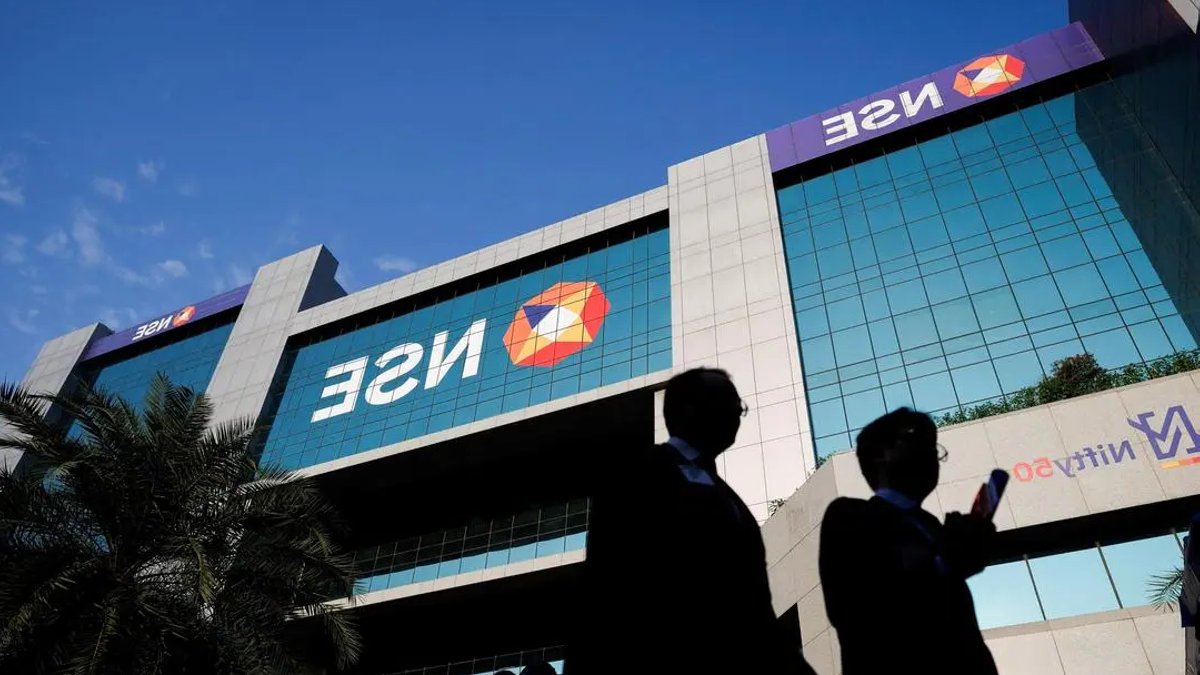
The National Stock Exchange of India’s $2.4 billion initial public offering saw limited interest from retail investors, reflecting broader concerns about its valuation and regulatory risks. The deal was subscribed just 1.3 times in the retail category, far below the 5.7 times overall subscription rate. Institutional buyers dominated demand, bidding 12.7 times their allotted shares, while wealthy individual investors subscribed 6.5 times. The final offer price of ₹1,785 per share, set at the top of the range, marked a scaled-back valuation amid market skepticism.
NSE’s offering trailed recent high-profile Indian IPOs, where demand often exceeded expectations. LG Electronics India’s $1.3 billion sale in October 2025 was subscribed 54 times, and SBI Cards’ 2020 debut drew 27 times bids. Even HDB Financial Services’ 2024 IPO saw 17 times subscription, showing how NSE’s valuation, 42.9 times earnings, remains raised compared to global peers, despite its dominant position in one of the world’s fastest-growing capital markets. The exchange’s high profitability and market leadership positioned it among the world’s 10 largest listed stock exchanges, though regulatory pressures on its core derivatives business have since forced a reassessment of its valuation.
Regulators have tightened oversight of speculative trading in derivatives, a key revenue driver for NSE. The exchange’s proprietary traders’ share of equity derivatives turnover has dropped to its lowest level in nearly four years, according to Bloomberg, while technical issues with the closing auction mechanism have further restricted trading activity. These challenges contributed to NSE reducing its valuation expectations before the IPO, even as existing investors, many of whom already held significant stakes, held back from additional purchases.
Read Also: Onida revamps mascot to tackle India’s appliance trust crisis
Anchor investors, including Goldman Sachs, HSBC, Fidelity, Eastspring, Abu Dhabi Investment Authority, and Life Insurance Corp. of India, were allocated ₹6,746 crore worth of shares. Among domestic participants, SBI Funds Management Ltd. and ICICI Prudential Asset Management Co. were also major buyers. Their involvement helped stabilize the offering, but retail enthusiasm remained subdued. The gray-market premium, which peaked at 16 percent in early September, settled at just 3 percent by Monday, signaling cautious investor sentiment.
NSE’s IPO, entirely a secondary sale by existing shareholders, won’t generate new capital for the exchange. The subdued retail response suggests investors are pricing in both the regulatory environment and the exchange’s established market position. Published on September 22, 2026.

Onida revamps mascot to tackle India’s appliance trust crisis


