


Tesla deliveries decline in Europe
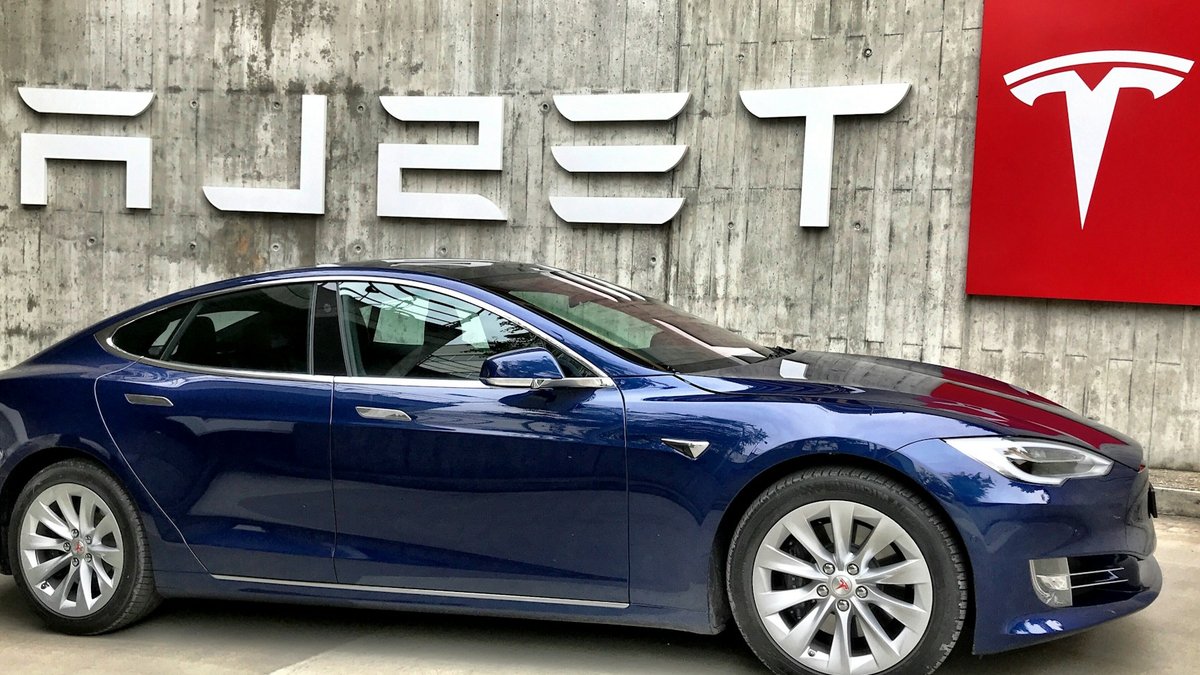
Tesla’s deliveries in Europe continue to decline, with early registration data for January indicating a downward trend. The company’s market share in Europe fell to roughly 1.4% to 1.7% in 2025, down from 2.4% in 2023.
In individual countries, Tesla’s registrations in France fell 42% to 661 units, while Norway registrations fell 88% to 83 units. Although Sweden and Denmark saw a yearly rise in registrations, it was not enough to offset the decline in other major markets.
Tesla’s Struggles in Europe
Tesla’s aging product portfolio is taking a toll on sales, with a study by consulting firm Escalent finding that 38% of European respondents feel Tesla’s “freshness” has worn off. Tesla is relying heavily on the aging Model 3 and Model Y, with no immediate replacements announced for the Model S and Model X, which ended production in Summer 2026.
In markets like Sweden and Germany, Tesla faces friction due to ongoing labor disputes and public pushback against CEO Elon Musk’s political stances. This has led to organized protests and “brand avoidance” among some European buyer segments.
Read Also: Flutterwave buys Mono for open banking push
January 2026 data shows brands like NIO and XPeng making significant inroads with premium models, targeting the same demographic that typically buys the Model 3.
Chinese Competition Heats Up
The expiration of the US EV tax credit has also taken a toll on Tesla’s sales, with the company delivering 418,227 vehicles in Q4 2025, a 16% drop compared to the same period in 2024. This decline was largely attributed to a cooling in demand following the expiration of the $7,500 federal EV tax credit in the United States.
Tesla is shifting its focus to artificial intelligence, with Musk characterizing the current time as a critical period for the company. Tesla unveiled Cybercab, a fully autonomous robotaxi, at its annual meeting last year, with mass production scheduled to begin in April 2026 at Gigafactory Texas.
According to the report, Tesla’s decline in deliveries is a significant concern, with the company facing intensifying competition from Chinese rivals and brand backlash in Western markets. As Tesla looks to defend its market share, it will be important to see how it responds to these challenges, particularly with the launch of the Cybercab and its focus on artificial intelligence.
Read Also: Canada Rejects China Trade Deal Amid US Tariff Threats
Tesla delivered a total of 1.64 million vehicles in 2025, representing roughly an 8.5% decline from the 1.79 million units delivered in 2024. This downward trend highlights a period of significant transition and external pressure for the automaker, with Tesla looking to its upcoming launches, including the Cybercab, to help lift deliveries and regain momentum in the market. The production of the Cybercab is scheduled to begin in April 2026, with a goal of achieving a 10-second cycle time per vehicle on the production line.
Tesla’s objective is to deploy 1 million robotaxis in commercial service, a key part of Musk’s long-term compensation milestones. The company’s manufacturing efficiency is intended to allow for an annual production capacity of up to 2-3 million units.
Tesla’s Future Plans
Musk has made bold predictions about the company’s future, including a valuation of $25 trillion driven by the Optimus humanoid. However, many Wall Street analysts do not share Musk’s optimism and see the stock as highly overvalued.
The company’s annual meeting last year saw the unveiling of the Cybercab, a fully autonomous robotaxi designed without a steering wheel, pedals, or side mirrors. This new product is expected to play a key role in Tesla’s future plans and could help lift deliveries in the coming years.


