


Asia-Europe shipping rates defy forecasts with October surge
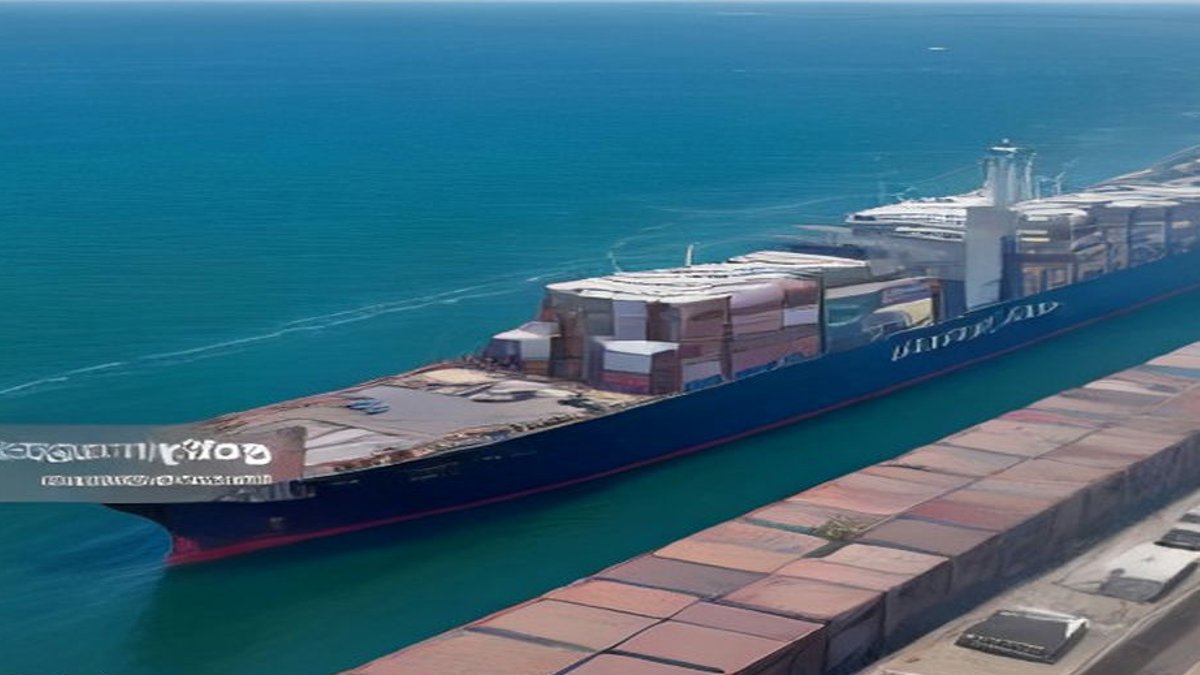
Asia-Europe container spot rates reached their lowest point in mid-September but then surged in October, contrary to forecasts that predicted declines. Carriers adjusted their capacity allocations while demand stayed robust, preventing the expected drop in prices.
These gains occurred even as shipping lines reinstated services through the Suez Canal, which had previously tightened capacity and pushed rates upward. Industry observers had assumed the shift back to the Suez route would reduce freight costs, but the opposite happened.
Spot rates for North Europe remain 67% higher than February levels, and Mediterranean rates are 33% above that same baseline. This discrepancy reflects sustained demand alongside deliberate efforts by carriers to restrict supply. Peter Sand, Xeneta’s Chief Analyst, emphasized that demand continues to drive the market.
European import volumes rose 12.2% in the first seven months of 2026 compared to the same period in 2025, according to Sand. The strategy of cancelling sailings has intensified, with Drewry Shipping Consultants reporting eight service cancellations this week alone—double the two recorded the prior week. Unlike earlier disruptions that forced blank sailings, this reduction now appears intentional, aimed at maintaining higher rates amid steady demand.
Port congestion in Shanghai has eased, with average vessel waiting times dropping from 97 hours to 42 hours within a single week. While this improvement reduces transit delays, it has not led to lower freight costs. Sand warned that without a decline in demand, rates would likely remain high despite the return of capacity.
Related Post: Solar Growth Cuts Europe Gas Costs by Billions
On the Pacific trade lane, rates to the US West Coast climbed 0.2% to $8,311 per FEU, while East Coast rates held steady at $11,525 per FEU. Drewry attributed this stability to strong US import activity, though carriers continued to cancel sailings, reducing two this week from six the previous week.
Security threats in the Gulf of Aden continue to disrupt shipping operations, with attacks on vessels still affecting transit schedules. Drewry noted that while Transpacific routes benefit from US import strength, Asia-Europe carriers rely on capacity cuts and additional surcharges to sustain raised pricing. The market’s strength stems from carriers using demand as leverage to offset the return of idle capacity, creating a situation where rates rise even as conditions that should lower them persist.
Nick’s Career in Maritime and Energy Journalism
Nick’s professional background spans maritime, chemical, and energy reporting. He began by expanding a team at ci-online, which boosted its audience before transitioning to International Freighting Weekly, another Informa publication covering container shipping, rail, and ports. His later roles included chemical tanker reporting at ICIS, where he also covered the chemical industry and oil & gas, followed by a position at Lloyd’s Register writing for its energy-focused technical magazine.
After eight years at the Royal Institution of Naval Architects, he joined Fairplay, contributing to its fortnightly magazine and daily news website. His work there earned industry recognition, including the Seahorse Club Journalist of the Year and Feature Writer of the Year awards in 2018. Following Fairplay’s closure, he moved to the US-based start-up FreightWaves, continuing his focus on freight and shipping markets.


