


Alibaba’s Qwen AI Hits 700 Million Downloads
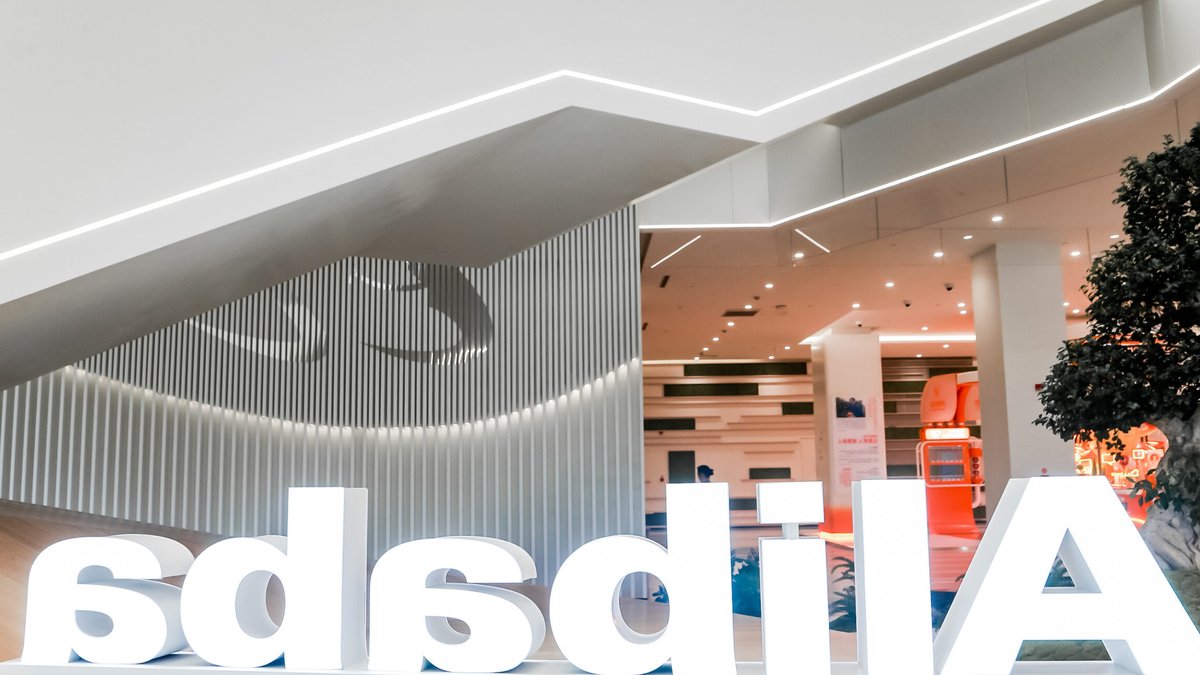
Alibaba’s AI ecosystem, Qwen, has surpassed 700 million downloads, according to data from Hugging Face. This makes it the world’s most widely used open-source AI system, outpacing competitors like Meta’s Llama and OpenAI’s offerings. This milestone reflects a massive shift in the AI environment, where Alibaba’s strategy of “open-sourcing everything” is proving highly effective.
Alibaba’s Open-Source Strategy Pays Off
The surge in downloads highlights the success of Alibaba’s “open-sourcing everything” approach. In December 2025, Qwen downloads exceeded the combined total of the next eight most popular AI models globally, including Llama, Mistral, and DeepSeek. This dominance shows Alibaba’s ability to leverage open-source models for widespread adoption.
Qwen’s popularity stems from its versatility and efficiency. The ecosystem offers models in various sizes and specializations, ranging from the lightweight Qwen3-0.6B to the ultra-large Qwen3-Max. Stanford’s Human-Centered AI Institute noted that Chinese models like Qwen have “caught up or even pulled ahead” in computational efficiency, making them more attractive for global developers facing high hardware costs.
AI-Driven Growth and Investments
Alibaba’s AI strategy is delivering tangible results. The company’s cloud revenue jumped 34% year-on-year in fiscal Q2 2026, fueled by surging demand for AI computing. Revenue from AI-related products achieved triple-digit growth for the ninth consecutive quarter, demonstrating that AI is a monetizable revenue stream for the company.
Alibaba has invested heavily in AI and cloud infrastructure, allocating approximately 120 billion yuan to these areas over the past year. CEO Eddie Wu emphasized that the company is in an “investment phase” to build long-term strategic value in AI technologies. These investments are part of a broader commitment, with Alibaba initially pledging 380 billion yuan over three years, though this may increase to meet surging demand.
These investments are already paying off in Alibaba’s e-commerce business. Vice president Kaifu Zhang reported a 12% increase in advertising spend returns from AI-deployed tools, predicting a significant positive impact on Gross Merchandise Volume (GMV) during major shopping festivals. This highlights the tangible returns Alibaba is achieving from its AI investments.
Alibaba’s AI ecosystem extends beyond software. The company launched its Quark AI glasses in November, positioning them as a hands-free gateway to its AI and commerce ecosystem. This move intensifies competition in the consumer wearable AI space, challenging products like Meta’s Ray-Ban smart glasses and offerings from Chinese rivals Xiaomi and Baidu.
Qwen’s Ecosystem Expansion and Consumer Reach
The company launched a dedicated Qwen App for consumers, which reached 10 million downloads in its first week of beta testing. This rapid adoption outpaced even ChatGPT’s initial launch, highlighting the strong consumer interest in Alibaba’s AI offerings.
The Qwen family caters to diverse needs, offering models like the lightweight Qwen3-0.6B for mobile devices and the ultra-large Qwen3-Max, which has rivaled GPT-5 in performance benchmarks. This range of models ensures Alibaba can address various use cases, from resource-constrained devices to high-performance computing tasks.
China’s AI Development and Global Competition
China’s Ministry of Industry and Information Technology (MIIT) has released a full action plan for the high-quality development of industrial internet platforms (2026–2028). This plan aims to integrate AI with manufacturing, bridging the gap between industrial data and AI capabilities. It aligns with China’s 15th Five-Year Plan (2026-2030), which focuses on scaling and applying AI technologies to maintain global competitiveness. By standardizing and boosting industrial internet platforms, China seeks to secure its supply chains and ensure its manufacturing sector remains world-leading.


