


Iran’s Shipping Attacks Surge in October
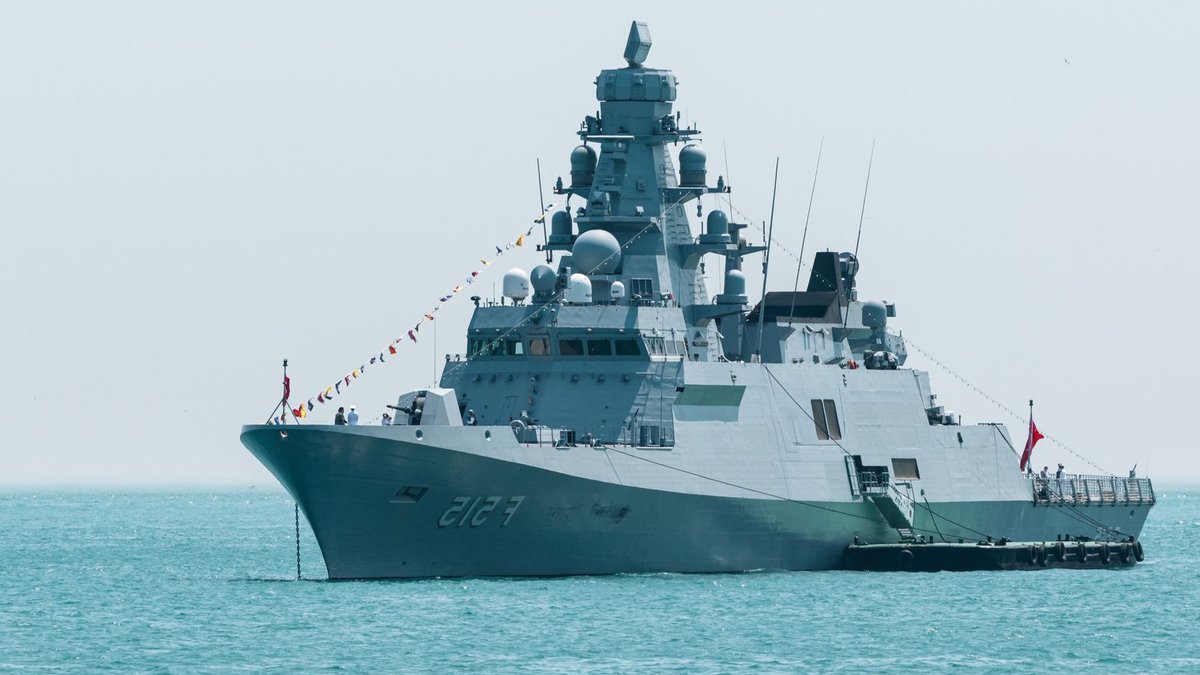
Iran’s attacks on commercial vessels in the Strait of Hormuz and nearby Gulf waters hit their highest level in October. This marks the peak since the conflict with the U.S. and Israel began in late February. Data shows hostile actions averaged over one incident per day that month. The Strait remains a major threat to maritime security in the region.
Attacks on Vessels
Noam Raydan, a senior analyst at the Washington Institute of Near East Policy who monitors maritime incidents across the Middle East, reported that at least thirty-four attacks were confirmed to have been carried out by Iranian forces in October. Nineteen of those incidents involved crude-oil tankers, highlighting a specific focus on vessels that transport petroleum products. Raydan explained that the nation appears to be deliberately maintaining a high level of risk for ships that attempt to work through the strait, thereby exerting pressure on global oil logistics.
“The objective of the Iranian maritime campaign is not to halt the flow of crude oil, but to slow the recovery and keep it disrupted by targeting vessels, including several tankers, delaying their passage through the Strait due to sustained damage, or causing a complete halt in voyage as in the case of disabled vessels,” she said.
Impact on Shipping
Arsenio Longo, founder of the HUAX maritime intelligence platform, pointed to a growing shuttle-tanker trade that links the Arabian Gulf with the Gulf of Oman, particularly around the ports of Fujairah and Sohar in Oman. This route allows crude exporters to bypass Iranian attempts to dominate traffic through the strait. Longo noted that, despite the spike in hostile events, published estimates show that crude oil flows through Hormuz averaged roughly eleven million barrels per day in October, a figure only slightly lower than the volume recorded in September.
Longo also observed that Tehran has been tightening its control over vessel movements by requiring ships to obtain transit approvals and pay fees to the Persian Gulf Strait Authority (PGSA). He added that much of the tanker traffic now follows U.S.-guided transits through the southern corridor of the strait, close to Omani waters, a pathway that Iran claims does not satisfy its safety conditions for passage.
Blacklisting of Sinokor Fleet
In late October, the PGSA announced that it would blacklist the entire Sinokor fleet, a decision that analysts found particularly noteworthy.
Raydan added that the tankers struck in October included vessels carrying crude from Iraq and Saudi Arabia, both of which are major oil exporters. She highlighted the Riti (IMO 9249075), which suffered a fire that forced the crew to abandon ship, and the Ghana Prosperity (IMO 9732541), a vessel that belongs to the Sinokor group.

Tanker Attacked in Hormuz Strait Amid Rising Tensions


