


A day in paradise on Koh Phi Phi
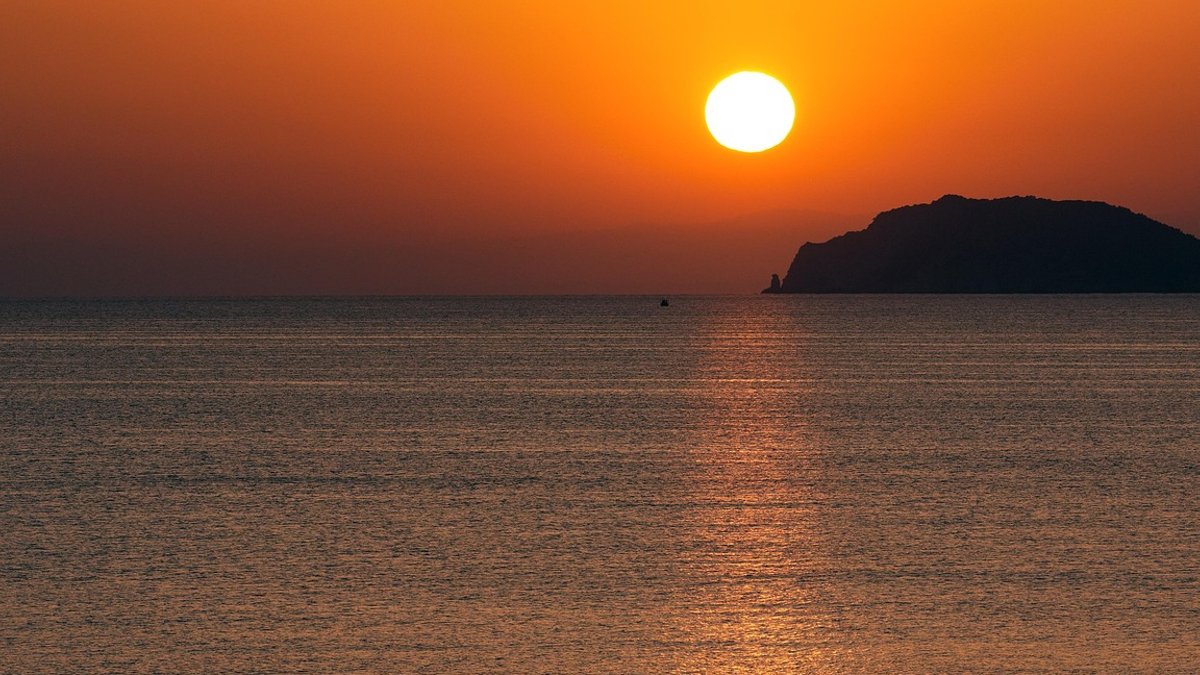
Koh Phi Phi, a cluster of six islands in Thailand, became a global name after the 2000 film The Beach. The 2004 tsunami devastated the archipelago, but today it has settled into a rhythm that balances tourism with its natural beauty—though not without tension.
The pull of Maya Bay
The two largest islands, Koh Phi Phi Don and Koh Phi Phi Leh, draw most visitors. Koh Phi Phi Leh is home to Maya Bay, the iconic beach from the film. It’s still stunning, but far from empty. Boatloads of tourists arrive daily, from rowdy backpackers on motorboats to private yacht groups. Early mornings offer the best chance for quiet moments and unspoiled photos. The beach caves, also featured in the movie, are worth exploring before the crowds arrive.
Koh Phi Phi Don is the only inhabited island. It has no cars, just a few motorbikes and bicycles for rent. Water taxis shuttle visitors between islands, and most places are within walking distance. The island’s small villages blend resort-style hotels with shops selling bottled water and beach essentials. Despite its laid-back vibe, the islands are predominantly Muslim, and visitors are encouraged to dress modestly in villages.
A mix of recovery and reflection
The tsunami memorial gardens provide a shaded space for reflection. Many visitors also hike to the viewpoint for a panoramic view of the islands. The climb is steep but rewards with a perspective that captures both the beauty and the fragility of the place.
Related: Samsung Galaxy S4 Launches New Life Companion Feature
Getting to Koh Phi Phi isn’t simple. The fastest route is a flight to Phuket, followed by a high-speed boat ride of about 30 minutes. From Bangkok, flights to Phuket take under an hour, with multiple daily options during peak season. Overland routes involving buses and ferries take longer but can be cheaper.
Tourism has reshaped Koh Phi Phi. The islands need visitors to survive, but the influx has made it harder to preserve the sense of seclusion that once defined them. The balance between economic necessity and environmental protection isn’t easy, and the islands are still figuring it out. For now, they remain a destination that draws people in, even as they struggle with the consequences of their own appeal.
The early morning light on Maya Bay is worth the effort. The rest of the day, the island hums with the energy of travelers who, like the place itself, are caught between paradise and the pressures of the modern world.

Samsung Galaxy S4 Launches New Life Companion Feature


