


Tanker crash in New Orleans raises long-standing river safety questions
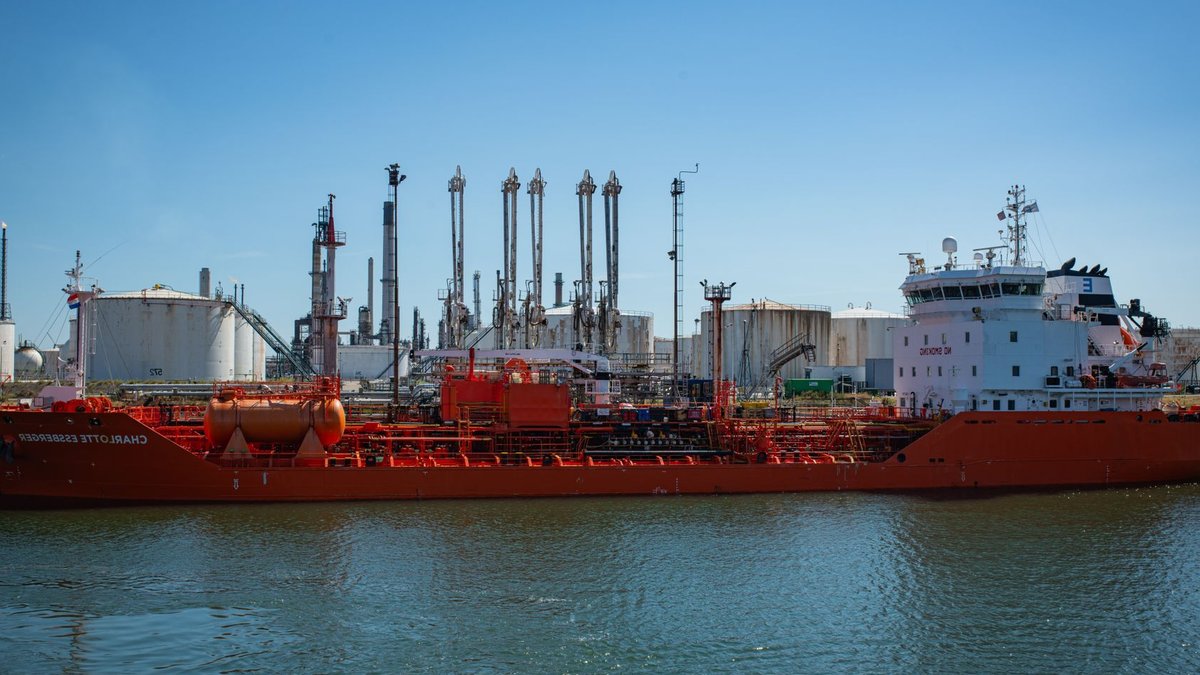
The 17,764-dwt asphalt tanker Atlantic Asphalt lost steering control near the Crescent City Connection bridge in New Orleans on Friday, colliding with the docked cruise ship American Heritage and reigniting safety concerns about the Lower Mississippi. The incident occurred around 12:30 local time, when the Marshall Islands-flagged vessel’s rudder locked to starboard, pushing the 160-meter ship toward the east bank. The crash flipped the cruise vessel onto its side, injuring 36 of its 190 occupants, 140 passengers and 50 crew, while the tanker’s crew escaped without harm. Damage estimates from the National Transportation Safety Board (NTSB) exceed $2 million.
Data from the tanker’s voyage data recorder (VDR) reveals the crew made emergency attempts, including dropping the anchor and sending distress calls, but the vessel remained uncontrollable. The NTSB will issue a preliminary report within 30 days, with a full investigation lasting 18 to 24 months. Legal action has also begun: a federal judge ordered the Atlantic Asphalt detained after the Port of New Orleans filed a negligence lawsuit against its owner, Nave Shipping SA, and safety manager Thome Ship Management Pte. Ltd..
The collision site carries a history of accidents. In 1996, the Liberian-flagged bulker Bright Field lost propulsion near the same bridge, striking the riverfront and injuring 62 people. The NTSB’s 1998 report on that incident recommended relocating passenger vessel berths along the Mississippi’s left descending bank or installing protective barriers. It also called for a broader risk assessment of the Port of New Orleans. Those recommendations have never been implemented.
Foreign-flagged vessels operating in U.S. waters now face increased attention. The Coast Guard’s 2025 Port State Control (PSC) Annual Report found safety management system failures as the leading cause of vessel detentions last year, with 55% of those failures linked to equipment maintenance. The Marshall Islands, the most common flag for ships entering U.S. ports, 1,966 arrivals in 2025, also had the highest participation in the Qualship 21 program, which reduces inspections for low-risk vessels. The Atlantic Asphalt may qualify for this program, though the Coast Guard has not confirmed its inspection status.
Separately, the Coast Guard’s 2025 report also highlighted a rise in detentions for vessels with outdated safety equipment, particularly among older ships. The Atlantic Asphalt, built in 2017, falls within a mid-range age bracket for commercial tankers, but its steering failure suggests potential maintenance gaps. The NTSB’s findings may prompt a review of inspection protocols for vessels of similar age and flag status.


