


India’s Infrastructure Revolution Transforms Cities and Rural Areas
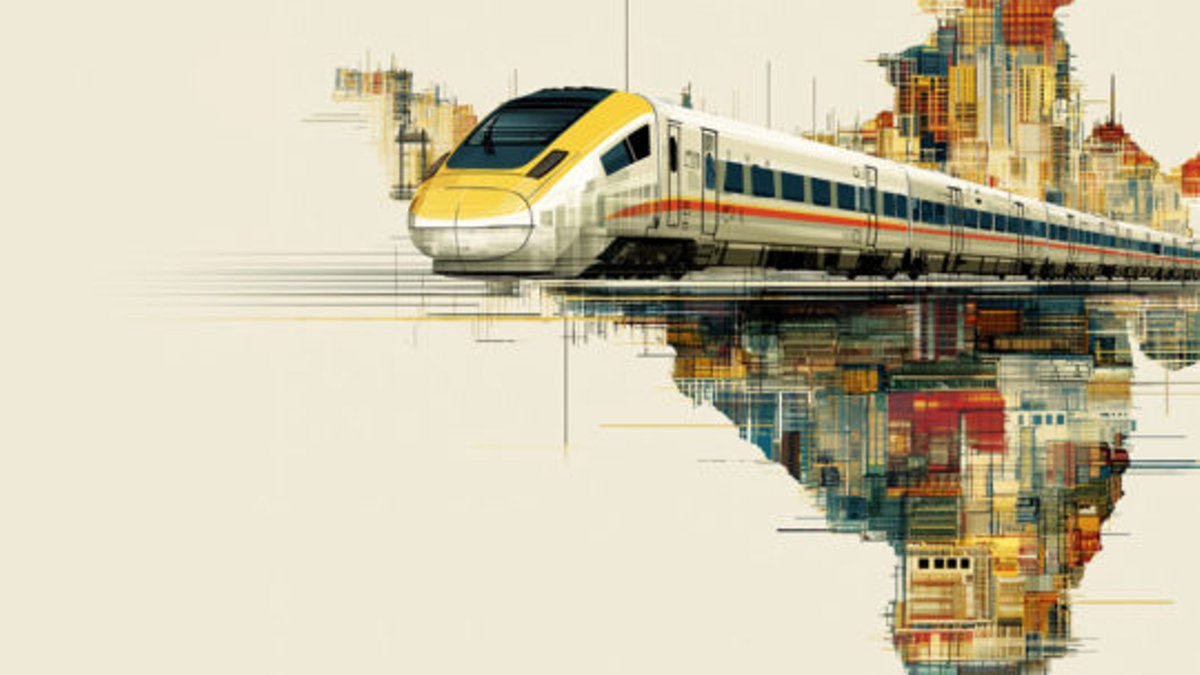
India’s infrastructure revolution is taking shape as the country completes its longest electrified freight corridor, linking the western port of Jawaharlal Nehru to industrial hubs in Uttar Pradesh.
Electrified railways shrink transit times
When a container arrives at the Mumbai‑area port, it is transferred to a high‑capacity train that heads toward Dadri and Khurja, a distance of roughly 1,500 kilometres. Before the final sections of the Western Dedicated Freight Corridor were powered in January 2026, the same shipment would have required three to four days. Today the journey finishes in a single day, a speed that rivals many Western logistics networks.
India’s rail network now boasts about 70,000 kilometres of electrified broad‑gauge track. That puts the nation near the top of global electrification rates, alongside Switzerland, and far ahead of the United Kingdom’s 37 percent and the United States’ roughly one percent.
Over the past six years, Indian Railways added more than 15 kilometres of electrified line each day. Officials say the project is part of a broader plan to modernise transport, energy and shipping under Prime Minister Narendra Modi’s administration.
Related: Thai firm leads US dollar funds surge
The rail upgrade dovetails with other large‑scale efforts, such as expanding renewable‑energy capacity and overhauling the maritime sector.
Maritime ambitions and lingering challenges
India’s 11,000‑kilometre coastline gives it strategic access to key global shipping lanes. In early 2026, container carrier CMA CGM ordered six LNG‑fuelled vessels from Cochin Shipyard and pledged to hire 1,500 Indian seafarers. The move is intended to modernise the fleet and encourage ship‑recycling, an industry the government hopes to lead worldwide.
Large‑scale port projects are also under way. The Vadhaven port, planned for completion in 2034, will rank among the world’s ten biggest ports and sit on a trade corridor linking India to the Middle East and Europe. New legislation passed in 2025 aims to streamline paperwork and improve coordination among ports, addressing long‑standing bureaucratic delays.
Corruption remains a concern. Transparency International placed India 91st out of 180 nations in its 2026 Corruption Perception Index, a modest improvement from earlier years but still indicating systemic issues.
Related: VPS vs Shared Hosting: What Is The Difference?
Ongoing reforms within the Central Bureau of Investigation have reduced the backlog of cases, yet high‑level fraud continues to surface.
Overall, the infrastructure push reflects a blend of ambitious targets and practical outcomes. While some programmes, like the original “Make in India” manufacturing goals, fell short of their lofty forecasts, the focus has shifted toward high‑margin sectors such as electronics, defence and electric vehicles.
The rail electrification effort, completed four years ahead of schedule, shows that large‑scale coordination can succeed even in a complex regulatory environment.

Thai firm leads US dollar funds surge


