


Gaming evolves from shared fun to monetized obsession
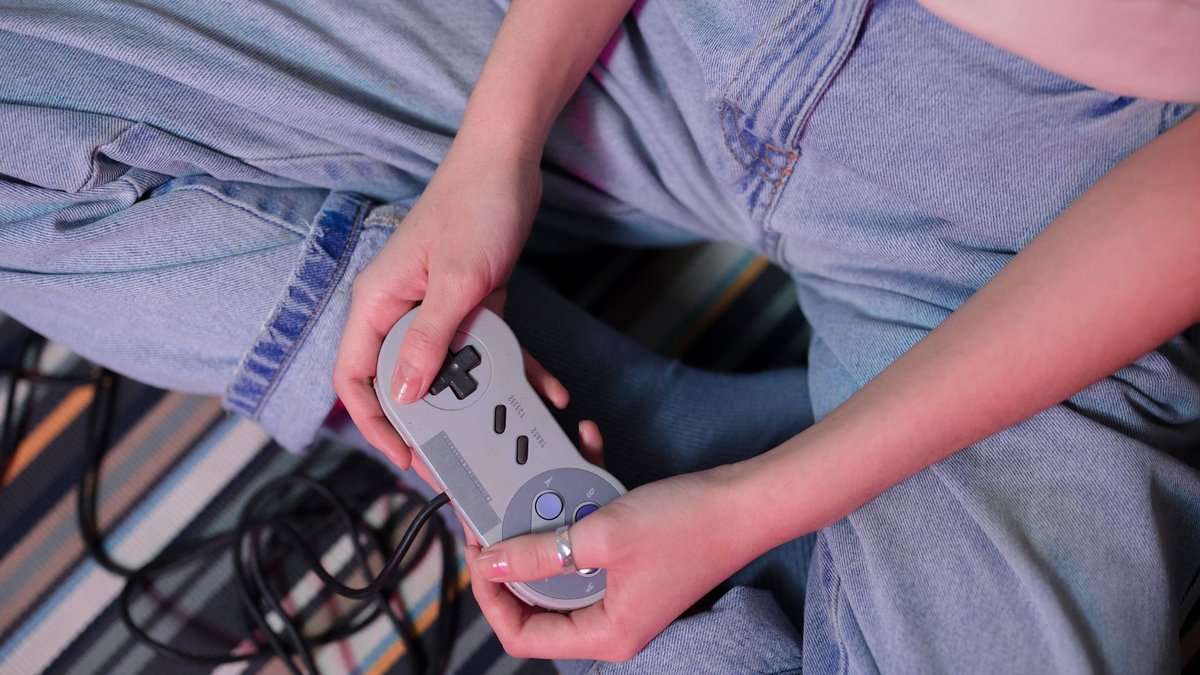
Video games began as a shared, finite experience—a moment of collective triumph when a player finally beat a level or outscored a sibling. Today, many are structured to feel endless, monetized through psychological hooks that make it difficult to distinguish between entertainment and compulsive behavior.
In the early 2000s, gaming was a communal event. Loading a cartridge or inserting a disc meant gathering around a CRT screen, the air filled with anticipation. Success was never assured; it demanded skill, patience, and sometimes sheer luck. There were no shortcuts. In Super Mario 64, missing a jump meant game over. In Street Fighter II, losing a high-score duel required starting again from the beginning. The hardware had limitations, but those constraints forced developers to create experiences that thrived on creativity. Titles like GoldenEye 007 and Mario Kart 64 turned living rooms into competitive spaces, where split-screen battles rewarded effort rather than spending.
The industry’s direction changed with the rise of online play. What started as a way to connect, through matchmaking, leaderboards, and downloadable content, gradually transformed into a system where player engagement became the primary product. Modern games now operate under live-service models, relying on endless updates, seasonal content, and microtransactions to sustain recurring revenue. The old approach was straightforward: buy the game, complete it, and move on. Today, the focus is on keeping players logged in, chasing rewards that never fully deliver satisfaction.
Read Also: Turkey’s Massive Investment Scam Tied to Cyprus Company
Studies confirm the risks of these designs. Research published in NCBI demonstrates that mechanics like loot boxes, randomized in-game purchases, function similarly to slot machines, using variable reward schedules to maintain player interest. The UK Gambling Commission has flagged these systems as potential financial pressures, particularly for younger players competing to keep pace with peers. Meanwhile, the World Health Organization now recognizes gaming disorder as an official condition, noting cases where excessive play disrupts daily life, sleep patterns, and relationships.
This shift from local multiplayer to online dependency was not inevitable. It resulted from deliberate choices, ones driven by data analytics, algorithmic matchmaking, and the pursuit of prolonged player time. Current games often exploit psychological triggers: the fear of missing out on limited-edition cosmetics, the thrill of ascending leaderboards, or the dopamine-driven excitement of rare in-game drops. The outcome? A generation spending more time in virtual worlds than in physical ones, where frustration often overshadows enjoyment and competition feels less like play and more like an obligation.

Turkey's Massive Investment Scam Tied to Cyprus Company


