


India asks EV sector to prove it can work without
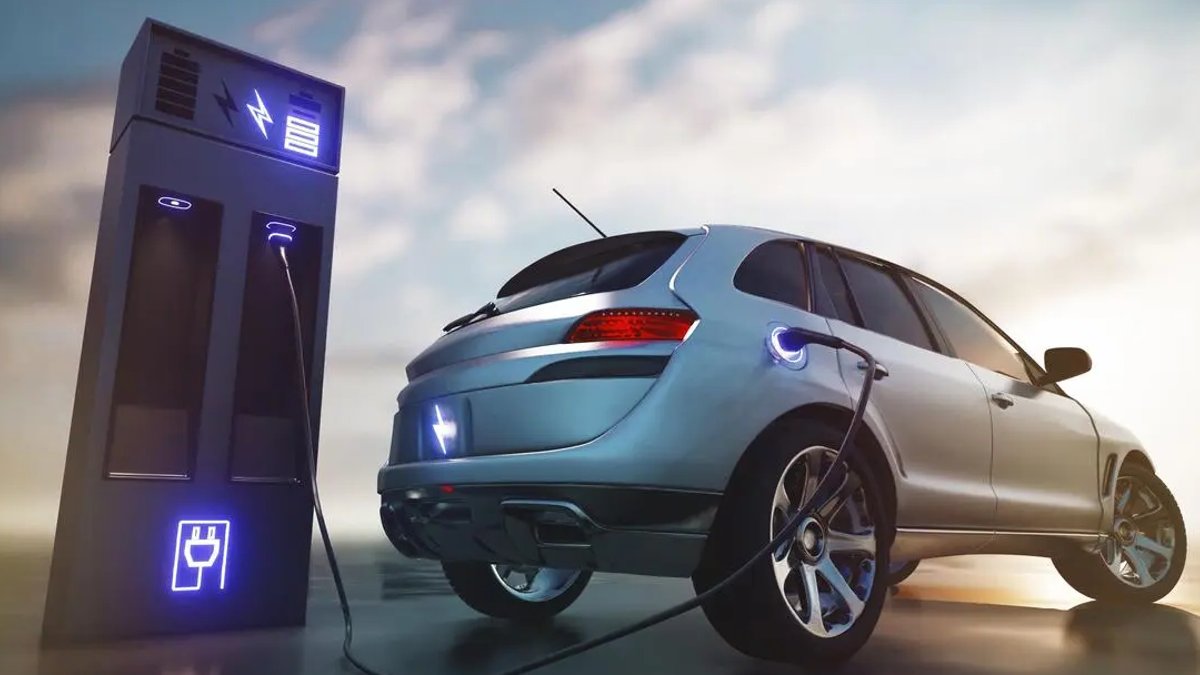
The central government is challenging the electric-vehicle drive in India, urging the sector to become financially viable without ongoing state aid. Under the PM E-DRIVE scheme, which totals ₹11,900 crore, over 23.2 lakh EVs have received incentives, and reimbursements amounting to ₹2,281.94 crore were paid out by 1 July.
Subsidy-dependence
Officials are urging producers to narrow the price disparity between EVs and traditional cars. Heavy Industries Minister H D Kumaraswamy advocated an “inclusive, affordable and economically sustainable” shift. He emphasized that cost-effectiveness, domestic content and large-scale production should dominate the upcoming stage.
Subsidies have enabled millions of EVs, especially two- and three-wheelers, to appear on Indian streets. Companies have leveraged state assistance to reduce the initial price difference with gasoline and diesel models. The scheme also allocates funds beyond single-vehicle subsidies, dedicating ₹4,391 crore to electric buses, ₹2,000 crore to charging stations and ₹500 crore to electric trucks.
Economics test
Addressing a forum of EV owners, dealers and producers in New Delhi, Kumaraswamy asserted that the shift must rest on “robust manufacturing, innovation and a strong ecosystem.” He further urged participants to create a “seamless, accessible and globally competitive electric mobility ecosystem.”
Read Also: Neeyamo’s GpCC Framework Streamlines Global Payroll Operations
Heavy Industries Secretary Kamran Rizvi clarified the goal, stating, “Electric mobility is a great opportunity for India to become a global electric mobility player.” He encouraged the sector to prioritize “cost competitiveness, technology and global capabilities.” Additional Secretary Hanif Qureshi emphasized that domestic sourcing is key to a sturdy local ecosystem.
Affordability gap
Nevertheless, the initial purchase cost stays key in a market sensitive to price. Consequently, any future scaling back of subsidies becomes a delicate balance: withdrawing aid too rapidly could dampen uptake, while sustaining it indefinitely lessens the incentive for the sector to prove that EVs can rival conventional models on cost grounds.
Localisation bet
Increasing domestic production is intended to narrow the price divide. Core cost drivers such as batteries, cells, rare-earth magnets and power electronics remain expensive. Officials are working to develop domestic capability through PLI-Auto, PLI-ACC and a rare-earth permanent-magnet initiative. These measures aim to reduce import dependence and support a self-reliant supply chain.

Neeyamo's GpCC Framework Streamlines Global Payroll Operations


